Mobile Blackouts in Russia: How Internet Shutdowns Are Affecting Health, Banking & Security

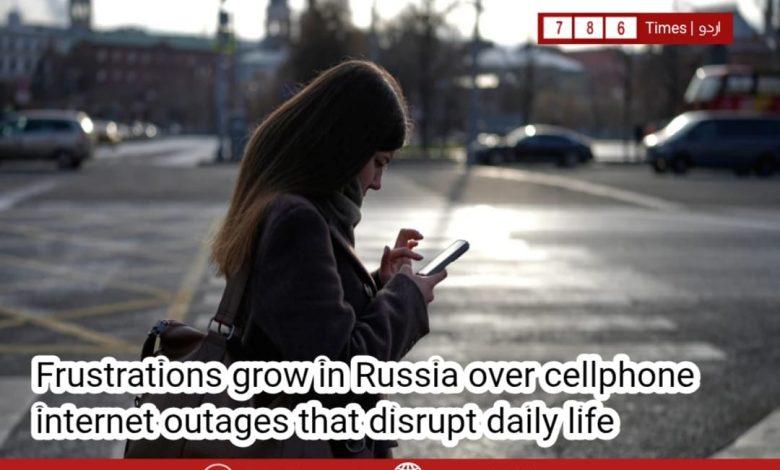
Russia Faces Growing Public Frustration as Mobile Internet Shutdowns Disrupt Daily Life
TALLINN, Estonia — Russia is witnessing one of its most disruptive digital crises in recent memory, as widespread mobile internet outages continue to interrupt transportation, health services, financial transactions, and communication across dozens of regions. Experts warn that 2025 may be remembered as the year Moscow tightened its grip on digital freedom.
According to digital monitoring groups, mobile networks have been intentionally restricted for months under the justification of preventing Ukrainian drone navigation. While broadband and Wi-Fi remain functional, millions of Russians are experiencing severe interruptions to essential services.
Mobile Blackouts Cause Nationwide Disruptions
Credit cards failing on public transport, ATMs unable to connect, messaging apps collapsing, and international SIM cards blocked — these outages have deeply affected daily life. Even parents of diabetic children have raised alarms, saying they cannot monitor glucose levels through health apps during mobile blackouts, posing direct risks to children’s lives.
Data shows that in November alone, an average of 57 Russian regions faced daily mobile internet shutdowns. Activist group Na Svyazi confirmed the blackouts were part of a broader digital control strategy. More reports can be found in our World News section.
‘White List’ Internet Raises Surveillance Concerns
During outages, only a limited number of government-approved websites — known as “white lists” — remain accessible. These include state platforms, official email services, Yandex search tools, and select marketplaces. Critics say this system mirrors China’s early-stage “Great Firewall” model.
Marina, a resident of Vladivostok, expressed fear over only one government banking app functioning during outages. She described it as “loss of information and loss of freedom.” More digital policy updates are available in our Technology & Internet Policy section.
SIM Card Restrictions Add More Complications
New restrictions block SIM cards that have been inactive for 72 hours or used abroad, placing a 24-hour “cooling period” on calls, texts, and data. This has caused unexpected failures in appliances, vehicles, and even smart meters relying on SIM connectivity. Lawmakers warn that heating systems and utilities could face severe disruptions.
Messaging Apps: WhatsApp & Telegram Targeted
The Russian government has throttled WhatsApp and Telegram — the country’s two most-used communication apps — citing anti-fraud measures. Neither app appears on the official white list, pushing citizens toward MAX, a government-controlled messaging platform.
Experts argue MAX lacks end-to-end encryption and openly shares data with authorities. Learn more about digital surveillance in our Technology News category.
VPNs Under Attack as Users Fight to Stay Connected
Although many Russians use VPNs to bypass blocks, the Kremlin continues to tighten restrictions. VPNs are frequently disabled, forcing users to switch apps every few months. Residents told AP that most ordinary people “won’t make that much effort,” which analysts believe is the government’s strategy — making access to independent media inconvenient.
More analysis on internet censorship is available in Russia Reports.
Experts Predict More Digital Restrictions Ahead
Analysts fear Russia may soon impose full blocks on WhatsApp, Telegram, VPNs, global websites, and several major Western platforms. With digital services intertwined with commerce and logistics, a full shutdown seems unlikely. However, partial restrictions are expected to intensify.
For ongoing updates, visit our International News.
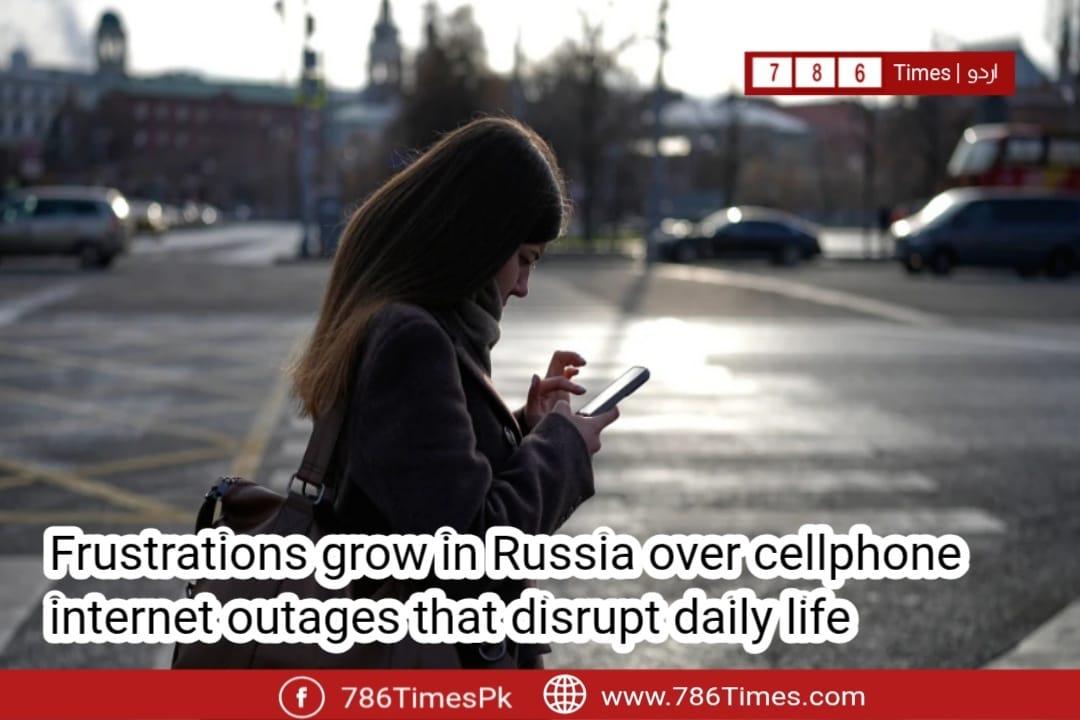
Courtesy: DASHA LITVINOVA
Litvinova is a correspondent covering Russia, Belarus, Central Asia and the Caucasus.


